
Waking up with a sore jaw or hearing that unsettling click every time you chew feels exhausting and isolating. You have likely spent hours searching online for clarity on symptoms, trying to figure out why simple movements cause so much discomfort. While people often use the terms TMJ and TMD interchangeably, knowing the real difference is a vital step toward finding the relief you need.
Remember that while everyone has a TMJ (the joint connecting your jaw to your skull), not everyone suffers from TMD (the actual disorder causing your pain). Recognizing the specific signs of this condition empowers you to advocate for your health and seek the right care. By pinpointing exactly what your body is telling you, you can move past the confusion and start a path toward recovery.
Key Takeaways
TMJ refers to the anatomical joint connecting the jaw to the skull, while TMD describes the specific group of disorders causing pain and dysfunction.
Common symptoms extend beyond jaw soreness to include clicking sounds, locking joints, and referred pain manifesting as earaches or tension headaches.
Effective relief strategies range from lifestyle changes like stress reduction and softer diets to professional dental interventions such as custom mouthguards.
Early identification and professional diagnosis of jaw dysfunction are essential to prevent chronic pain and permanent joint damage.
Distinguishing Between TMJ Anatomy And TMD Disorders
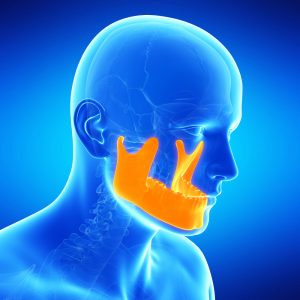
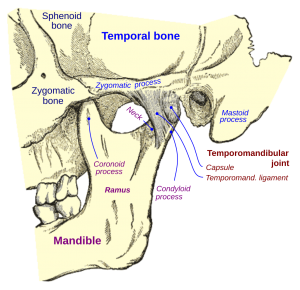
You often hear people say they have "TMJ" when their jaw starts clicking or hurting. While the acronyms sound nearly identical, understanding the difference helps you manage your discomfort. TMJ actually refers to the Temporomandibular Joint itself. This is the physical hinge connecting your jawbone to your skull. You have two of these joints, one on each side of your face, and they work hard to let you talk, chew, and yawn. Think of the TMJ as the body part, just like your knee or your elbow, rather than the name of the illness causing your pain.
When that hinge stops working smoothly or causes you pain, medical professionals refer to the condition as TMD, or Temporomandibular Disorder. This term acts as a broad category covering over thirty different conditions that affect the joint and the muscles around it. You might be dealing with inflammation, muscle spasms, or structural issues within the joint mechanism itself. Using the correct terminology helps you and your doctor identify exactly what is going wrong so you can find the right relief. Knowing that TMD is a complex group of disorders validates that your symptoms are real and deserve specific attention.
Identifying Key TMD Symptoms From Headaches To Popping
Waking up with a dull, throbbing headache or a sore jaw is a terrible way to start your day. You might notice that this discomfort spreads from your mouth to your neck, shoulders, or even behind your eyes. This radiating pain is a common sign of temporomandibular disorders and often stems from grinding or clenching your teeth while you sleep. Recognizing these morning symptoms helps you understand that your jaw joint, or TMJ, might be under stress. Instead of dismissing it as just a bad night's rest, pay attention to how your facial muscles feel right when you wake up.
Common morning symptoms include:
Dull or throbbing headaches
Sore or tight jaw
Pain spreading to the neck, shoulders, or behind the eyes
Facial muscle stiffness upon waking
Beyond the aches, you may experience strange sounds or sensations whenever you try to eat or speak. A distinct clicking or popping noise when you open your mouth is one of the most recognizable signs that something is off with the joint's movement. While a little noise might seem harmless at first, it can eventually lead to your jaw locking or feeling stiff. It is frustrating when simply chewing a piece of gum or enjoying a sandwich becomes a noisy or painful ordeal. If you catch your jaw shifting or getting stuck, your body is signaling that the hinge connecting your skull and jaw needs attention.
Other noticeable signs include:
Clicking or popping sounds when opening your mouth
Jaw locking or stiffness
Pain or discomfort when chewing
Shifting or uneven jaw movement
While everyone has a TMJ, not everyone suffers from TMD. When these symptoms persist, they indicate a disorder affecting the complex system of muscles and ligaments controlling your jaw. You do not have to live with constant tenderness or the fear that your jaw might lock up at the wrong moment. By identifying these specific warning signs early, you can differentiate between temporary stress and a condition requiring professional care. Taking note of these patterns allows you to seek the right treatment and finally find relief from the chronic discomfort.
Connecting Neck Pain And Earaches To Jaw Dysfunction
It is frustrating when you treat a persistent earache or a stiff neck without ever finding relief. You might be surprised to learn that these nagging issues often originate in your temporomandibular joint rather than the areas where you feel the pain. Because the muscles controlling your jaw work closely with those in your neck and shoulders, tension in one area easily spreads to its neighbors. This phenomenon is known as referred pain, and it frequently leads people on a confusing search for a cure. Understanding this connection helps you address the root cause of your discomfort.
Many patients dismiss their frequent tension headaches as just a result of stress, but your jaw misalignment could be the main culprit. When your bite does not align correctly, the surrounding muscles have to work overtime just to keep your jaw in place. This constant strain eventually travels up the skull and manifests as those pounding headaches that ruin your day. Recognizing that your headache is actually a symptom of TMD changes how you approach treatment. Instead of reaching for another painkiller, you can focus on correcting the dysfunction in the joint itself.
Navigating Relief Options For Chronic Jaw Pain
Living with chronic jaw pain does not mean you have to accept discomfort as your new normal. Once you receive a proper diagnosis, a wide range of effective management strategies becomes available to help you reclaim your quality of life. Simple lifestyle adjustments, such as eating softer foods or practicing stress-reduction techniques, often provide significant relief for mild cases. For more persistent symptoms, professional dental interventions like custom mouthguards or physical therapy can target the root cause of your distress. Taking action now prevents the condition from worsening and puts you back in control of your daily comfort.
Understanding the distinction between having a TMJ and suffering from TMD helps you find a lasting solution. While everyone has a temporomandibular joint, dealing with the disorder involves complex symptoms that deserve real medical attention and validation. Your pain is real, and you should not have to handle the confusion of popping sounds or locking jaws alone. Recognizing these symptoms allows you to articulate your experience clearly to a specialist who can help. This clarity empowers you to seek the right treatment plan rather than just enduring the days in silence.
Now that you understand the mechanics behind your discomfort, prioritize your recovery by scheduling a professional evaluation. A qualified dental professional can assess the specific dysfunction in your jaw joint and create a personalized path forward. Ignoring the signs often leads to increased complications, but early intervention typically results in much better outcomes. You deserve a life free from the constant distraction of facial pain and limited movement. Take that essential next step today to restore your health and smile with confidence again.
Understanding the Difference Between TMJ and TMD
Understanding the difference between your anatomy and your condition is the first step toward feeling better. Remember that while everyone has a TMJ connecting their jaw to their skull, not everyone suffers from the complex pain of TMD. You might hear people use these terms interchangeably, but knowing that TMD refers to the actual disorder helps you communicate clearly with your healthcare provider. This distinction matters because pinpointing the specific group of conditions affecting your jaw muscles and joints ensures you get the right treatment plan. Your pain is real, and having the correct vocabulary empowers you to advocate for the relief you deserve.
Recognizing the diverse symptoms of this disorder can help you identify triggers before they disrupt your daily life. Whether you are experiencing sharp pain in your chewing muscles or a dull ache in the joint itself, these signs are your body asking for attention. You do not have to live with constant discomfort or the frustration of limited jaw movement forever. If these symptoms sound familiar, we at Raleigh Facial Pain Center are here to help as your trusted TMD specialists. We use our expertise to diagnose and treat complex jaw disorders so you receive care tailored to your needs.
Don’t wait for the pain to worsen—contact us today to schedule your consultation and take the first step toward lasting relief.
Frequently Asked Questions
What is the actual difference between TMJ and TMD?
TMJ refers to the Temporomandibular Joint itself. This is the physical hinge connecting your jawbone to your skull that everyone has. TMD stands for Temporomandibular Disorder, which is the condition or group of over thirty issues causing your pain and dysfunction. Think of TMJ as the body part and TMD as the illness affecting it.
Why does my jaw click or pop when I chew?
That unsettling clicking sound often indicates that the hinge of your jaw is not working smoothly. It suggests there may be structural issues, inflammation, or muscle spasms within the joint mechanism. While common, this symptom is your body telling you that the joint is under stress and may need evaluation.
Is having a sore jaw always a sign of TMD?
While waking up with a sore jaw is a primary symptom, TMD acts as a broad category covering many different conditions affecting the joint and muscles. You might be experiencing temporary tension, but persistent soreness usually points to a disorder requiring attention. Recognizing these specific signs empowers you to advocate for your health and seek the right care.
Can I use the terms TMJ and TMD interchangeably?
You often hear people say they have TMJ when their jaw hurts, but using the correct terminology helps you find better relief. Understanding that TMJ is the anatomy and TMD is the disorder allows you and your doctor to communicate more clearly. This distinction helps pinpoint exactly what is going wrong so you can start a path toward recovery.
