
The types of nerve blocks used for facial pain play a crucial role in helping patients find meaningful, targeted relief when other treatments fall short. Facial pain can stem from a wide range of causes, from trigeminal neuralgia and migraines to dental trauma or post-surgical discomfort, and pinpointing the right intervention is essential for long-term comfort. Nerve blocks offer a minimally invasive, highly precise option by interrupting pain signals at their source. In this article, we’ll break down the four most commonly used nerve blocks for facial pain, how they work, and when each one may be recommended
Key Takeaways
- Nerve blocks are targeted injections that interrupt pain signals sent to the brain, and they are used for both diagnosing the source of facial pain and providing relief in specific conditions
- Nerve blocks are not a single procedure but are categorized into four main types based on their goal: therapeutic, diagnostic, prognostic, and preemptive
- Therapeutic blocks provide relief by injecting a combination of anesthetic and anti-inflammatory medication directly at the source of the pain, often used for conditions like trigeminal neuralgia
- Diagnostic blocks use a temporary numbing agent to help doctors pinpoint the specific nerve causing a patient's orofacial pain
- Prognostic blocks act as a "test drive" to predict how a patient will respond to a more permanent or invasive treatment
- Preemptive blocks are administered before a surgical procedure to prevent post-operative pain from starting
- Conservative treatments—including oral appliances, physical therapy, and biofeedback—should typically be explored before considering nerve block interventions
- Board-certified orofacial pain specialists like those at Raleigh Facial Pain can guide you through conservative options and help determine if and when nerve blocks might be appropriate
Therapeutic Blocks for Specific Pain Conditions
Living with persistent facial pain is incredibly frustrating, but therapeutic nerve blocks can offer relief for specific orofacial pain conditions when conservative treatments haven't provided adequate results. These interventions are primarily used for conditions like trigeminal neuralgia, post-herpetic neuralgia (shingles-related facial pain), and certain types of chronic neuropathic facial pain.
Your doctor injects a combination of a local anesthetic and sometimes an anti-inflammatory medication right at the specific nerve causing your symptoms. This mixture works to interrupt the pain signals and reduce inflammation, providing a much-needed break from severe, debilitating discomfort.
These treatments are especially considered for managing complex neuralgic conditions that haven't responded to medication or other conservative therapies. For instance, if you're struggling with trigeminal neuralgia—the severe, shock-like facial pain that can be triggered by simple activities like eating or brushing your teeth—repetitive nerve blocks with lidocaine may be part of your treatment plan alongside medications.
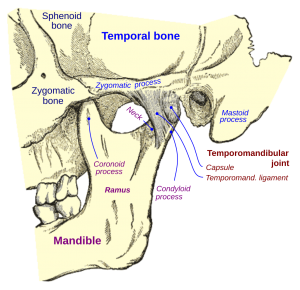
Similarly, nerve blocks targeting the masseteric or temporal nerves can help manage acute TMJ emergencies like severe muscle spasm or jaw dislocation. However, it's important to understand that for most TMJ and muscle-related facial pain, conservative approaches like oral appliance therapy, physical therapy, and behavioral management are the recommended first-line treatments. Nerve blocks are typically reserved for resistant cases or specific diagnostic purposes.
Diagnostic Blocks to Find the Pain Source
Think of a diagnostic nerve block as a highly targeted detective tool for complex facial pain cases. When the exact source of your orofacial discomfort is unclear—especially when distinguishing between pain originating from the TMJ joint capsule, muscles, nerves, or other structures—this procedure helps your specialist pinpoint the specific nerve sending those pain signals.
A small amount of numbing medication is precisely injected near the suspected nerve, such as the auriculotemporal nerve that provides sensation to the TMJ. If you experience significant pain relief while the anesthetic is active, it provides a crucial clue, helping your doctor identify the true culprit behind your suffering.
The relief you feel from a diagnostic block is intentionally temporary, typically lasting for just a few hours. Its main purpose isn't lasting pain relief but the valuable information gathered during that short window. By confirming whether pain originates from the joint capsule versus muscle tissue or other structures, your physician can then create an effective long-term treatment strategy tailored just for you.
At specialized centers like Raleigh Facial Pain, this evidence-based diagnostic approach ensures that conservative treatments—like custom-designed oral appliances or targeted physical therapy—are directed with precision. This moves you from frustrating uncertainty to a clear and targeted plan for managing your pain, often without needing invasive interventions.
Prognostic Blocks to Predict Treatment Outcomes
Prognostic nerve blocks act as a "test drive" to predict how you might respond to a more permanent intervention before committing to it. If you're facing a significant decision about advanced treatments for severe facial pain conditions like trigeminal neuralgia—such as radiofrequency ablation or even surgical procedures feeling uncertain is completely normal, and this procedure can provide much-needed clarity. By temporarily blocking a specific nerve with an anesthetic, your doctor can see if your pain subsides. This temporary relief is a strong indicator that a more invasive procedure targeting the same nerve will likely be successful.
The primary goal of a prognostic block is to confirm the pain source and predicted treatment response before you commit to a more significant intervention. Your doctor injects a short-acting local anesthetic near the suspected nerve to see if your symptoms temporarily disappear. For instance, this might be done before considering procedures like glycerol rhizotomy or microvascular decompression for trigeminal neuralgia. If you experience significant relief, even for just a few hours, it provides strong evidence that the targeted treatment approach will be beneficial.
However, for most TMJ disorders and muscle-related orofacial pain, conservative treatment with oral appliances and physical therapy remains the gold standard. At Raleigh Facial Pain, the focus is on exploring all non-invasive options first helping you avoid unnecessary invasive treatments while achieving meaningful, lasting relief through conservative care.
Preemptive Blocks to Prevent Post-Surgical Pain
Imagine stopping pain before it even has a chance to start; that's the core idea behind preemptive nerve blocks in the surgical setting. These blocks are administered before a surgical or dental procedure involving the facial region, acting as a proactive defense against the intense pain that can follow. By numbing the area in advance, the goal is to prevent your nervous system from becoming overwhelmed and creating a strong "pain memory." Think of it as heading off a problem at the first sign rather than waiting for it to become overwhelming. This proactive approach can significantly reduce your need for strong oral pain medications after surgery.
You'll see preemptive blocks used in major oral and maxillofacial surgeries where significant post-operative pain is expected. For instance, nerve blocks before TMJ surgery, orthognathic surgery (jaw realignment), or major dental procedures are common applications of this technique. The anesthetic medication interrupts the initial, powerful pain signals sent during the procedure, keeping them from reaching your brain and establishing a difficult-to-manage pain pathway.
This can lead to a more comfortable recovery period. However, it's worth noting that many TMJ conditions can be successfully managed without surgery at all. The specialists at Raleigh Facial Pain have helped countless patients avoid surgical interventions through comprehensive conservative treatment plans involving custom oral appliances, physical therapy, and behavioral management techniques. Discussing all your options from conservative care to surgical interventions if truly necessary with your orofacial pain specialist empowers you to make informed decisions about your care.
When Are Nerve Blocks Considered for Orofacial Pain?
Understanding when nerve blocks are appropriate is just as important as knowing what they are. In the field of orofacial pain management, nerve blocks serve specific purposes and are typically not the first line of treatment. For most TMJ disorders, chronic jaw pain, and muscle-related facial pain, conservative treatment approaches are highly effective and should be thoroughly explored first. These include custom-designed oral appliances (splints), specialized physical therapy, biofeedback for behavioral management, lifestyle modifications, and appropriate medications when needed.
Nerve blocks are generally considered in several specific scenarios: as a diagnostic tool to differentiate pain sources when the diagnosis is unclear; for managing severe neuralgic conditions like trigeminal neuralgia when medications alone aren't sufficient; in acute TMJ emergencies involving severe muscle spasm or joint dislocation; or as a prognostic tool before considering more invasive procedures.
A board-certified orofacial pain specialist can evaluate your unique situation and help you understand whether conservative treatment should be your starting point—which it should be for the vast majority of patients or whether your condition might benefit from diagnostic or therapeutic nerve blocks as part of a comprehensive treatment plan.
Conservative Treatments: Your First and Most Effective Step to Relief
Understanding the types of nerve blocks available is a valuable step in learning about facial pain treatment. However, it's important for us to recognize that for most TMJ and muscle-related facial pain, conservative, non-surgical treatments often lead to excellent, lasting outcomes. Your best next step is to consult a board-certified orofacial pain specialist. We at Raleigh Facial Pain, with Dr. Yount leading the team, focus on conservative methods, utilizing custom oral appliances, physical therapy, and lifestyle changes—frequently helping patients avoid the need for injections, blocks, or surgery altogether.
You can now approach your appointment prepared to ask specific questions about both conservative options and, if necessary, interventional approaches. Prioritizing conservative care with a true specialist is essential for finding relief. Contact us today to schedule your consultation and take the first step toward lasting facial pain relief.
Frequently Asked Questions
Are all nerve blocks the same?
No, "nerve block" is a versatile term, not a one-size-fits-all procedure. Medical professionals classify them into four main types based on their specific function and purpose, which helps determine if the goal is short-term diagnosis or long-term pain management.
How does a therapeutic nerve block provide relief?
Therapeutic blocks fight pain by targeting the specific nerves sending distress signals to your brain. A doctor injects a combination of local anesthetic and anti-inflammatory medication directly at the source, which interrupts the pain signals and reduces inflammation.
Do nerve blocks just cover up the pain?
No, they do much more than simply mask your symptoms, especially therapeutic blocks. By delivering medication directly to the inflamed nerve, the treatment works to interrupt the pain cycle itself, providing lasting relief so you can feel more like yourself again.
How can I know if a nerve block is right for my pain?
If you've tried different treatments for persistent pain without success, a nerve block could be an effective option. Understanding the different types empowers you to have an informed conversation with your doctor to decide if this targeted approach is right for you.
