
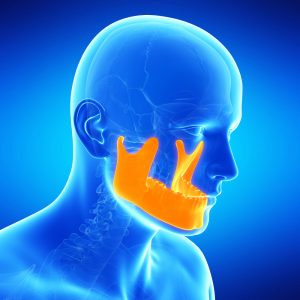
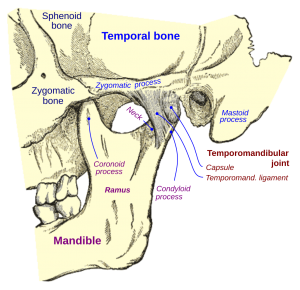
Atypical tooth pain can feel very real even when X rays and dental exams show no clear problem. You may notice burning, aching, pressure, or sharp pain that lasts for weeks or months, sometimes after a filling, root canal, or extraction. Current orofacial pain terminology often calls this persistent idiopathic dentoalveolar pain, but similar symptoms can also come from the jaw muscles, temporomandibular joint, sinuses, nerves, or headaches.
Finding the true source matters because repeated dental treatment may not relieve pain that does not come from the tooth itself. A careful evaluation can explain your symptoms, rule out conditions that need dental care, and guide treatment for the nerves and tissues involved. You deserve a clear diagnosis and a plan that takes your pain and its effect on daily life seriously.
Key Takeaways
- Persistent tooth pain is real even when dental exams and X-rays are normal; it may be classified as persistent idiopathic dentoalveolar pain when it lasts more than three months without a clear dental cause.
- Tooth-like pain can originate from the jaw muscles, TMJ, sinuses, nerves, headaches, or other conditions, so diagnosis should include a broad orofacial evaluation rather than focus only on the tooth.
- Avoid repeated fillings, root canals, or extractions until the pain source is confirmed, because unnecessary procedures may fail to help and can further irritate nearby nerves.
- Treatment should match the underlying cause and may include nerve-focused medication, jaw or physical therapy, headache care, behavioral strategies, and specialist follow-up; seek urgent care for swelling, fever, pus, or difficulty breathing or swallowing.
What Atypical Tooth Pain Means
Atypical tooth pain is an older term for pain that feels as though it comes from a tooth, its socket, or the surrounding jawbone, even when common dental causes have been ruled out. Today, this pattern is often called persistent idiopathic dentoalveolar pain, or PIDAP. The pain continues for more than three months and may remain after dental treatment or when examinations and imaging show no clear problem. It is often felt on one side, although symptoms can vary. A normal dental exam does not mean your pain is imaginary or unimportant.
You may notice a deep ache, pressure, burning, pulling, or nagging discomfort in one tooth or a nearby area. The pain can occur daily or return repeatedly, sometimes lasting for much of the day. It may feel steady rather than sharp, and the location can be difficult to identify. Other sources, such as jaw muscles, the temporomandibular joint, nerves, sinus problems, headaches, or medical conditions, can also cause pain that feels like a toothache. Careful evaluation helps separate these causes and guide the next step in your care.
Causes That Mimic Tooth Pain
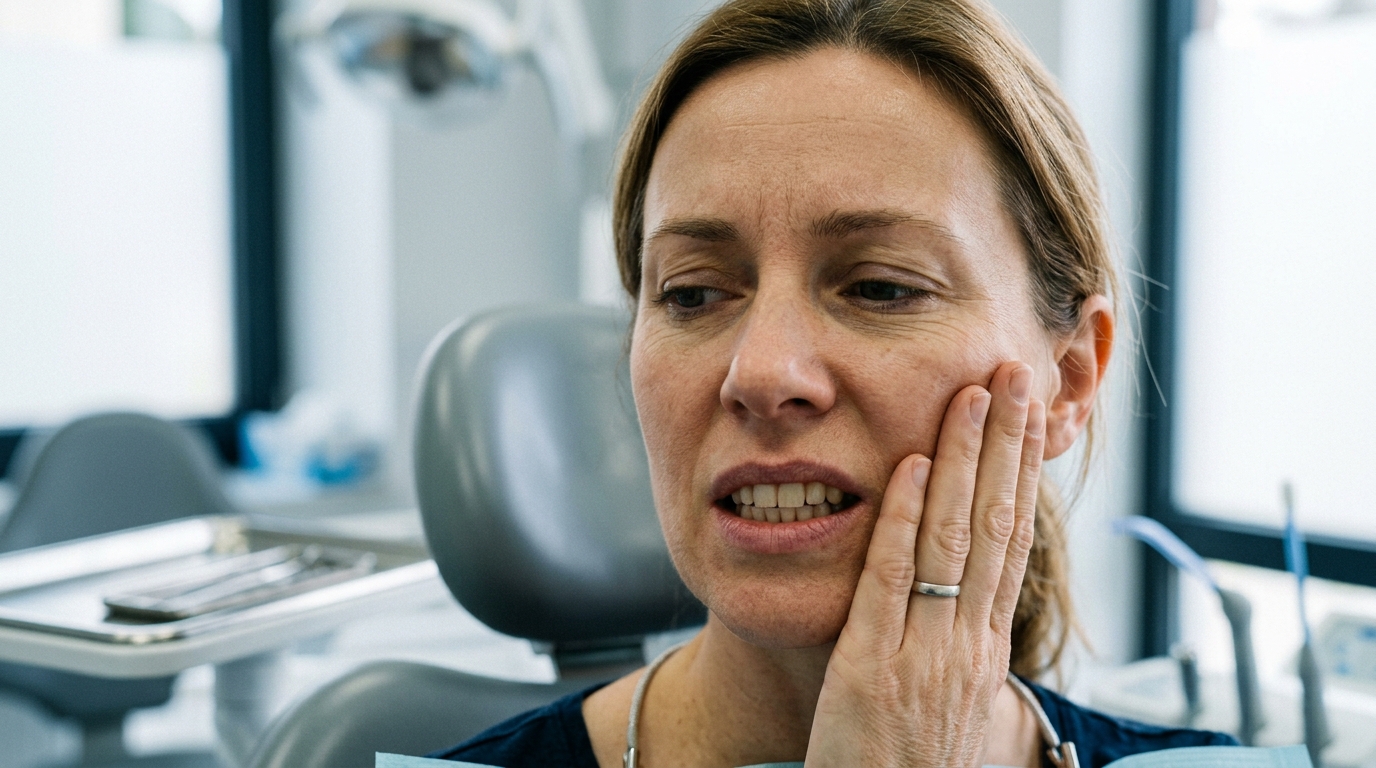
Pain that feels as though it comes from a tooth may actually begin in the jaw muscles or temporomandibular joint, also known as the TMJ. Tight or overworked chewing muscles can refer pain to your teeth, cheek, temple, or ear, especially if you clench or grind. Sinus inflammation can also create pressure in the upper back teeth because their roots sit close to the sinus cavities. You may notice that sinus related pain worsens when you bend forward or have nasal congestion. These sources can feel very similar to a cavity or infected tooth.
Headaches and nerve conditions can create tooth like pain without a problem inside the tooth. Migraine may cause one sided facial or tooth pain, along with sensitivity to light, sound, or movement. Irritation of the trigeminal nerve can cause brief, sharp, electric shock like pain. Post traumatic trigeminal neuropathy may cause burning, tingling, numbness, or ongoing sensitivity after an injury or dental procedure. When pain remains in a tooth or socket despite normal dental findings, it may fit a condition called persistent idiopathic dentoalveolar pain, also known as atypical odontalgia. These conditions can be distressing, but they are real and deserve careful attention.
Identifying the true source matters because additional dental treatment may not help pain that comes from the muscles, TMJ, sinuses, headaches, or nerves. In some cases, procedures such as root canal treatment or extraction can leave you with the same pain or cause new nerve irritation. Your evaluation may include a detailed pain history, dental testing, an examination of your jaw and facial muscles, and a review of headache or nerve symptoms. This process helps your care team choose treatment that matches the cause instead of treating the tooth based on an assumption. If your pain continues after dental treatment or does not match the dental findings, an orofacial pain evaluation can provide a clearer path forward.
Diagnosing Persistent Tooth Pain
Persistent tooth pain deserves a careful evaluation, especially when it continues after dental treatment or has no clear cause. Your dentist or orofacial pain specialist may examine your teeth, gums, bite, jaw movement, and areas that are tender to touch. Dental images, such as X rays or a three dimensional scan, may help identify decay, infection, a crack, bone changes, or disease inside the tooth. Your pain history also matters, including when it started, what triggers it, whether it is constant, and how it affects your sleep or daily activities.
A normal dental exam does not mean your pain is not real. The evaluation may also consider referred pain from the jaw muscles, temporomandibular joints, nearby nerves, sinuses, or headache conditions. Your clinician will work to rule out infection, a cracked tooth, pulp disease, gum problems, bite related strain, and other causes before considering persistent idiopathic dentoalveolar pain, an updated term for some cases once called atypical tooth pain. Avoiding unnecessary procedures is important when the tooth appears healthy but the pain continues.
Seek prompt care if tooth pain occurs with facial swelling, fever, pus, difficulty swallowing, trouble breathing, or rapidly worsening symptoms. You should also be evaluated soon for a loose tooth, a broken filling, significant pain after an injury, or numbness in your face or lip. Keeping a simple record of your symptoms can help, including foods or temperatures that trigger pain, pressure from biting, and any jaw, sinus, or headache symptoms. A careful diagnosis can guide treatment and help you avoid repeated dental procedures that may not address the source of your pain.
Treatment for Atypical Tooth Pain
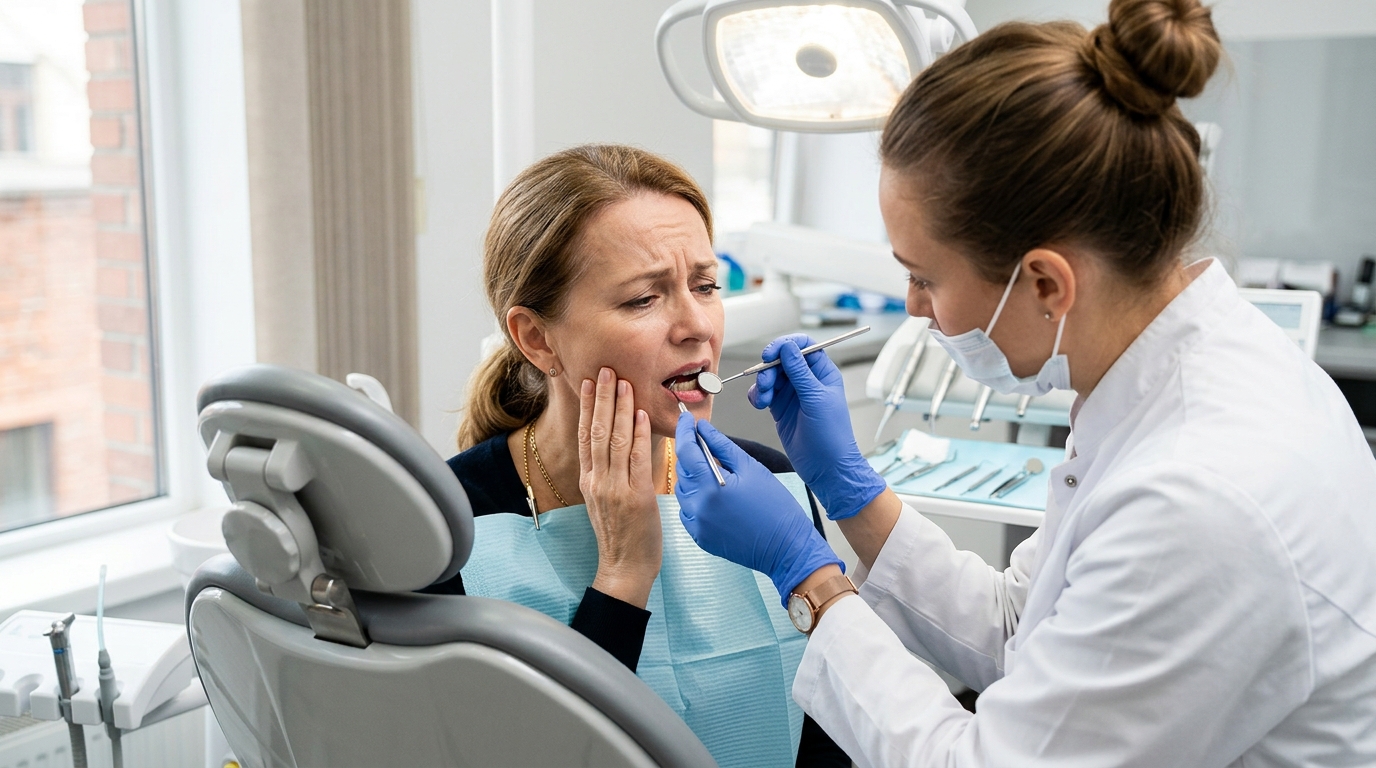
Treatment for atypical tooth pain starts with confirming that the tooth and surrounding tissues are healthy and checking for other causes. Your plan may include education about persistent idiopathic dentoalveolar pain, medication to calm nerve related pain, and behavioral strategies that reduce clenching, guarding, and repeated checking of the area. Physical therapy may help when jaw muscles or the temporomandibular joint contribute to your symptoms. If headaches or migraines are part of the pattern, headache care may also be needed. When the diagnosis remains uncertain or symptoms continue, an orofacial pain specialist can provide further evaluation and guidance.
Repeated root canals or extractions may not relieve persistent pain when the tooth is healthy because the source may involve changes in how your nervous system processes pain rather than infection or damage inside the tooth. Each procedure can also irritate nearby nerves and cause additional soreness or sensitivity. This does not mean your pain is imagined or unimportant. It means treatment should focus on the full pain pattern, including your teeth, jaw muscles, nerves, headaches, sleep, and daily habits. A personalized plan can help reduce fear, prevent unnecessary dental procedures, and support steady improvement over time.
Understanding Ongoing Tooth Pain Without Clear Findings
Ongoing tooth pain is real, even when X rays, exams, and other dental tests do not show a clear problem. In current orofacial pain terminology, pain that continues in a tooth or its surrounding bone may be called persistent idiopathic dentoalveolar pain. Atypical tooth pain can also come from the jaw muscles, temporomandibular joint, sinuses, nerves, headaches, or other health conditions. Your symptoms deserve careful attention rather than dismissal because the findings look normal. A thoughtful evaluation can help identify the most likely causes and avoid treatments that may not address the source of your pain.
You can begin with a dental and orofacial pain team that listens closely, reviews your dental history, and examines the broader pattern of your symptoms. The evaluation may include your bite, jaw function, nerve sensitivity, headaches, medications, sleep, and other factors that can affect facial pain. Treatment should be cautious and supportive, with goals that match your needs and comfort. You deserve clear explanations, regular follow up, and a plan that can be adjusted as your symptoms change. With the right guidance, you can take meaningful steps toward managing atypical tooth pain and protecting your quality of life.
Frequently Asked Questions
1. What is atypical tooth pain?
Atypical tooth pain is pain that feels as though it comes from a tooth, its socket, or nearby jawbone, even when dental exams and X rays do not show a clear cause. It is often called persistent idiopathic dentoalveolar pain, or PIDAP, when it continues for more than three months.
2. What does atypical tooth pain feel like?
You may notice a deep ache, pressure, burning, pulling, or nagging discomfort. The pain may be steady or return often, and it can be difficult to identify the exact tooth or area involved. It may affect one side and continue for much of the day.
3. Can atypical tooth pain happen after a filling, root canal, or extraction?
Yes. Pain may continue after dental treatment when the tooth was not the true source of the symptoms or when the nerves and nearby tissues remain sensitive. Persistent pain after treatment deserves a careful evaluation before more dental work is performed.
4. What other conditions can feel like a toothache?
Jaw muscle pain, temporomandibular joint disorders, sinus problems, headaches, and nerve pain can all feel like tooth pain. Burning mouth pain, trigeminal nerve problems, and pain referred from nearby areas may also cause similar symptoms. A detailed exam helps separate these causes.
5. Does a normal dental exam mean the pain is imaginary?
No. Your pain is real even when your teeth and X rays appear normal. A normal dental exam may mean that the pain is coming from nerves, muscles, joints, headaches, or another source instead of the tooth itself.
6. Should you have another dental procedure if the pain continues?
Not necessarily. Repeated fillings, root canals, or extractions may not help when the tooth is healthy and the pain comes from another part of the pain system. We recommend identifying the likely source first, then choosing treatment that matches your symptoms.
7. How is atypical tooth pain evaluated and treated?
Evaluation includes a careful review of your symptoms, dental history, medical history, medications, headaches, jaw function, and previous treatment. We may examine your teeth, jaw muscles, temporomandibular joints, nerves, and nearby areas, and review imaging when needed. Treatment may include medication, nerve focused care, jaw therapy, headache treatment, behavioral support, or referral to another specialist.
8. When should you seek urgent care for tooth pain?
Seek urgent dental or medical care if you have facial swelling, fever, trouble breathing or swallowing, pus, severe injury, uncontrolled bleeding, or sudden weakness or numbness. These symptoms can signal an infection or another condition that needs prompt attention. If pain lasts for weeks or months without a clear dental cause, schedule an evaluation with an orofacial pain specialist.
