
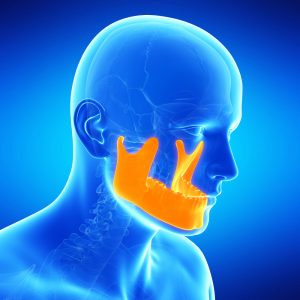
Waking up with sharp, localized discomfort or a dull ache can be incredibly frustrating, especially when you’re dealing with persistent jaw pain on one side. You might find yourself wondering why only one half of your face feels tight while the other feels perfectly fine, making simple tasks like eating or talking feel like a chore. This unilateral discomfort is a common signal from your body that something is out of balance, and it’s completely natural to feel concerned about what’s happening beneath the surface.
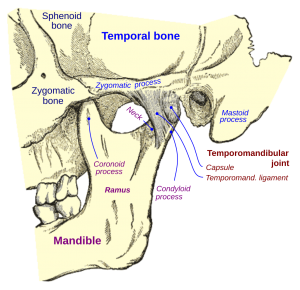
While the symptoms can be confusing, this specific type of pain often stems from the complex mechanics of your temporomandibular joint (TMJ) or localized dental issues like an undetected cavity. Whether your pain is myogenous, involving muscle spasms in the cheek, or arthrogenous, related to the joint itself, understanding the root cause is the first step toward relief. You deserve to live without the constant distraction of facial tension, and identifying these triggers is essential for reclaiming your comfort and peace of mind.
Key Takeaways
- One-sided jaw pain typically signals a specific mechanical imbalance, such as a localized muscle spasm in the masseter or a disc displacement within the temporomandibular joint.
- Localized dental issues like deep cavities, cracked teeth, or impacted wisdom teeth often trigger referred pain that mimics structural jaw disorders.
- Inflammation from sinus infections or ear canal issues can radiate to the jaw due to the close proximity of interconnected facial nerves.
- Professional intervention is necessary if jaw pain is accompanied by locking, clicking, facial swelling, fever, or persistent difficulty with basic functions like eating and speaking.
Identifying Common Temporomandibular Joint Disorders
Waking up with a sharp ache or a dull throb on just one side of your face can be a confusing and frustrating experience. You might notice that the discomfort flares up when you chew or speak, making it difficult to go about your normal daily routine. While it is natural to feel concerned, this localized pain is actually a very common symptom that often points toward the complex mechanics of your temporomandibular joint. By focusing on one side, your body is likely signaling that there is a specific imbalance or localized strain that needs your attention. This unilateral pain is frequently the first sign that your jaw system is struggling to stay in sync.
One of the most frequent culprits behind this one-sided discomfort is a muscle spasm, particularly in the masseter muscle which sits right over your jaw hinge. If you tend to clench your teeth or chew more heavily on one side, that specific muscle can become overworked and tight, leading to a persistent ache. In other cases, the issue might be internal, such as a disc displacement where the small cushion inside the joint slips out of its proper position. When this happens, you might hear a clicking sound or feel a catching sensation that is limited to that single side of your face. Understanding whether your pain is coming from the muscle or the joint itself is a crucial step in finding the right relief.
Navigating these symptoms on your own can feel overwhelming, but you do not have to guess what is happening under the surface. A professional evaluation can help determine if your pain stems from a simple muscle strain, a dental issue like a hidden cavity, or a more complex joint disorder. Identifying the root cause early on can prevent the discomfort from becoming a chronic problem that affects your overall quality of life. Professional guidance can help you through this process with empathy, helping you understand your body so you can return to a life free from jaw pain. Taking that first step toward a diagnosis can bring you much-needed peace of mind and a clear path to feeling better.
Dental Problems Mimicking One Sided Jaw Pain
When you are dealing with a nagging ache on just one side of your face, your first instinct might be to blame your jaw joint, but the culprit is often hiding in your teeth. Localized dental issues like a deep cavity or a cracked tooth can create a chain reaction of discomfort that radiates far beyond the initial site. Because the nerves in your mouth are so closely interconnected, your brain may struggle to pinpoint the exact source of the distress. This phenomenon, known as referred pain, often makes a single troubled tooth feel like a widespread jaw injury. You might find yourself rubbing your jawline for relief when the real solution lies in treating a hidden dental infection.
An abscessed tooth or an advanced case of gum disease can also be the silent driver behind that persistent unilateral throbbing. When bacteria reach the pulp of your tooth or the surrounding bone, the resulting inflammation puts intense pressure on the nearby nerves. This pressure often manifests as a sharp or dull ache that mimics a structural jaw problem, making it difficult to open your mouth comfortably. Impacted wisdom teeth are another frequent offender, as they can push against neighboring teeth and create significant tension along your jawline. If you notice that your pain worsens when you bite down or consume cold drinks, it is a strong signal that a dental issue is the primary cause.
Navigating this kind of localized pain can be incredibly frustrating and distracting as you go about your daily life. It is important to remember that you do not have to guess what is happening under the surface of your smile. A professional evaluation can help distinguish between a joint disorder and a dental infection, ensuring you receive the specific care you need. By addressing these dental concerns early, you can stop the radiating pain at its source and prevent more serious complications down the road. Taking that first step toward a diagnosis will help you move away from the confusion of one sided pain and back toward lasting comfort.
Sinus Infections And Referred Ear Pain
When you are dealing with one-sided jaw pain, the culprit might actually be located slightly higher than the jaw joint itself. Your maxillary sinuses are situated right above your upper teeth, and when they become inflamed due to an infection, the resulting pressure can feel remarkably like a dental or joint issue. This happens because the nerves in your face are closely interconnected, often leading to a phenomenon known as referred pain. You might feel a dull, heavy ache that intensifies when you lean forward or move your head suddenly. Because the roots of your upper teeth sit so close to these sinus cavities, it is very common to mistake this congestion for a primary jaw problem.
The ear canal is another frequent source of confusion because it shares a very close physical proximity to the temporomandibular joint. If you are experiencing an ear infection or even a significant buildup of fluid, the inflammation can radiate downward and create sharp or throbbing sensations in your jaw. This overlap often makes it difficult for you to pinpoint exactly where the discomfort is originating without a professional evaluation. You might notice that your jaw feels tight or tender when you chew, even though the actual irritation is stemming from your auditory system. Understanding these connections is a vital step in finding the right relief for your specific symptoms.
Navigating these overlapping symptoms can be incredibly frustrating when you just want to feel like yourself again. It is important to remember that your body uses these pain signals to alert you that something is out of balance, and you do not have to guess the cause alone. By looking at the bigger picture of your health, including recent colds or ear pressure, clinical experts can help determine if your jaw pain is a joint issue or a secondary effect of inflammation elsewhere. Taking the time to address the root cause ensures that you receive the most effective care for long-term comfort. Empathetic support is available to guide you through this process so you can get back to living pain-free.
Knowing When One Sided Pain Requires Intervention

While it is tempting to wait and see if that nagging discomfort on one side of your face will disappear on its own, certain symptoms act as a clear signal that your body needs professional attention. You should consider scheduling an evaluation if you notice a significant change in your range of motion, such as your jaw locking in an open or closed position. Persistent clicking or popping sounds that are accompanied by sharp pain or a feeling of grittiness in the joint also warrant a closer look. If the pain is intense enough to wake you up at night or prevents you from chewing your favorite foods, it is time to move beyond home remedies. An early diagnosis can often prevent a minor muscle strain from evolving into a more complex, chronic joint issue.
Pay close attention to any symptoms that seem to spread beyond the immediate jaw area, as these can indicate that the underlying cause is more systemic or severe. You should seek help immediately if your jaw pain is accompanied by swelling in the face or neck, a persistent fever, or a foul taste in your mouth, as these are often signs of a dental infection or abscess. Numbness or a tingling sensation in your chin or lips is another red flag that requires an expert's perspective to rule out nerve involvement. When the discomfort begins to radiate into your ear or triggers frequent headaches, it suggests that the surrounding muscles and nerves are under significant stress. Taking the step to consult a professional not only provides you with much-needed relief but also ensures you have a clear, personalized path toward recovery.
Finding Lasting Relief for Your One-Sided Pain
Dealing with jaw pain that favors one side can be an incredibly frustrating and isolating experience. Whether the discomfort stems from a complex TMJ disorder, a hidden dental issue, or simple muscle fatigue, it often interferes with your ability to eat, speak, and enjoy your day. You deserve to find a solution that goes beyond temporary fixes and addresses the actual source of your distress. Understanding that this pain is a signal from your body is the first step toward reclaiming your comfort. By acknowledging the impact this has on your quality of life, you are already moving in the right direction.
Navigating the various causes of unilateral jaw pain may feel overwhelming, but you do not have to do it alone. Professional diagnosis is key because symptoms like muscle spasms and joint clicking can overlap significantly, making it hard to identify the culprit on your own. From targeted physical therapy to specialized dental care, there are many paths available to help you find lasting relief. Expert providers can serve as your guide, offering the expertise and empathy needed to resolve your symptoms. Taking that next step to seek help will bridge the gap between daily discomfort and a future free from jaw pain.
Frequently Asked Questions
1. Why does my jaw only hurt on one side?
This unilateral discomfort is often a signal that your jaw system is struggling to stay in sync. It typically stems from a specific imbalance, such as a localized muscle spasm or a joint issue that is affecting only one side of your face.
2. Could my one-sided jaw pain be caused by a dental issue?
Yes, localized pain can frequently be traced back to dental problems like an undetected cavity or an abscess. When a specific tooth is compromised, it can cause sharp or dull aches that radiate through that side of your jaw.
3. What is the difference between myogenous and arthrogenous pain?
Myogenous pain involves the muscles, such as spasms in your cheek, while arthrogenous pain is related to the joint itself. Identifying which type you are experiencing is the first step toward finding the right treatment and reclaiming your comfort.
4. Is it normal for the pain to get worse when I eat or talk?
It is very common for this discomfort to flare up during daily activities like chewing or speaking because these movements put stress on the temporomandibular joint. If your jaw mechanics are out of balance, these simple tasks can feel like a chore.
5. Can clenching my teeth cause pain on just one side?
Clenching often puts uneven pressure on your jaw, which can lead to a muscle spasm in the masseter muscle. This localized strain is a frequent culprit behind that frustrating, one-sided ache you feel when you wake up.
6. When should I seek professional help for my jaw pain?
You should consult a professional if the pain is persistent, interferes with your ability to eat, or causes your jaw to feel stuck. Understanding the root cause is essential for your peace of mind and for preventing further strain on your jaw system.
